
The Ultimate Guide to Beating Florida Frizz: Products & Treatments That Actually Work
Kate's Kuts »If you live in Southwest Florida, you already know the truth: the climate here has a mind of its own, and it takes that out on your hair. Between the 90% humidity days in August, the intense UV index, and the notoriously hard water drawn from the Floridan Aquifer, maintaining smooth, healthy hair in Bonita Springs isn’t just about styling — it’s about understanding the science behind what’s happening to your strands.
At Kate’s Kuts, we hear the same frustration every single day: “I spend 45 minutes blowing out my hair, and the second I walk outside, it doubles in size.” You aren’t doing anything wrong. Your hair is simply reacting to the environment it’s in. This guide breaks down exactly why Florida weather wreaks havoc on your hair and, more importantly, the professional treatments and products that actually work to stop it.
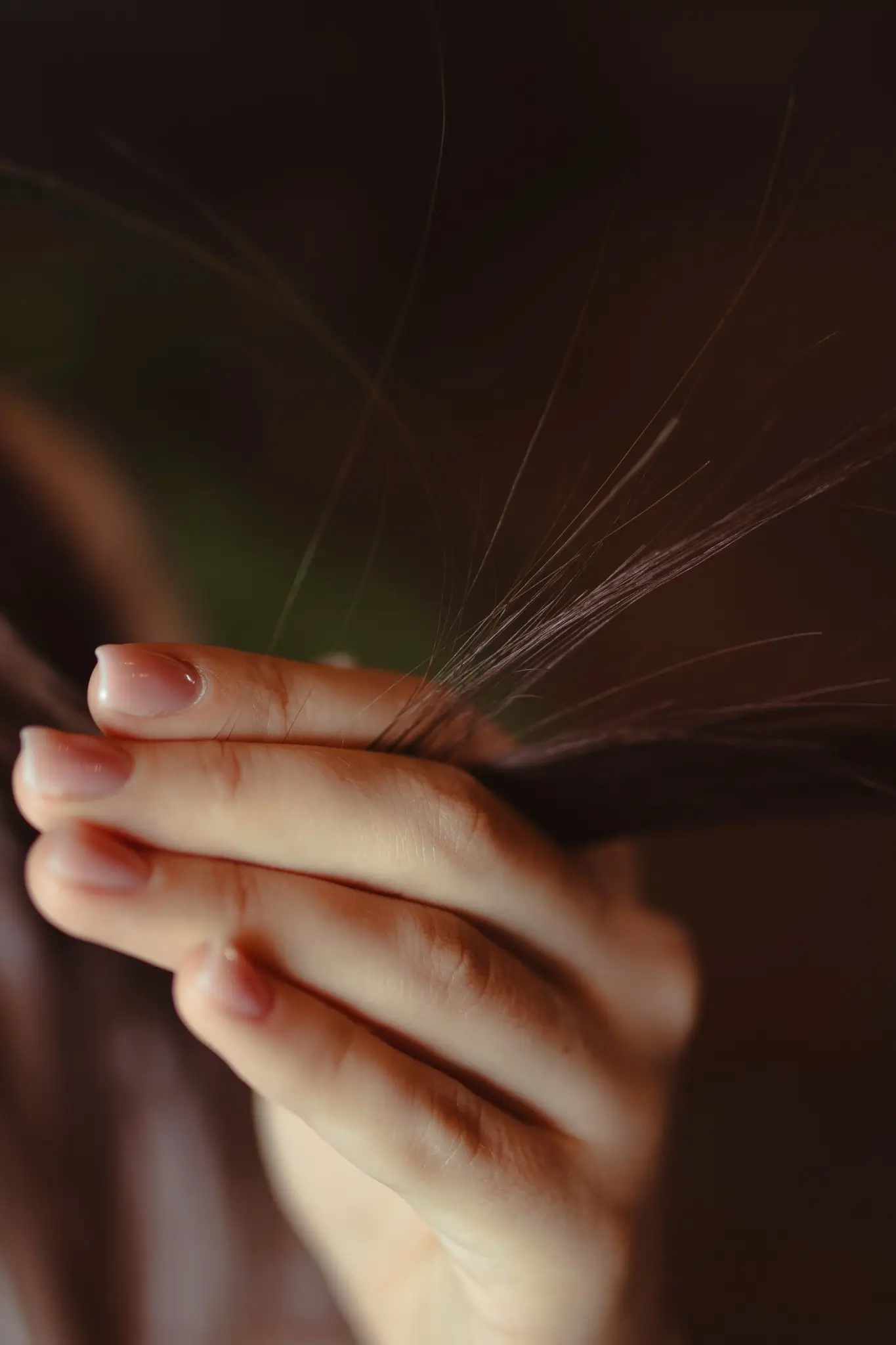
The Science of Florida Frizz
To defeat frizz, you have to understand why it happens. It comes down to two interconnected factors: porosity and hydrogen bonds.
Your hair is made of keratin proteins held together by a network of chemical bonds. The most fragile of these are hydrogen bonds, which give your hair its shape when you style it. [1] Hydrogen bonds are highly susceptible to moisture — which is precisely why Florida’s climate is so destructive. When you step outside into air that regularly exceeds 70% relative humidity, your hair cuticle (the overlapping outer layer of the hair shaft) acts like a sponge. If your hair is dry, damaged, or highly porous, it aggressively absorbs water vapor from the surrounding air. [2] This sudden influx of moisture breaks the hydrogen bonds you carefully set with your blow dryer or flat iron, causing the hair shaft to swell and the cuticle to lift. The result is immediate, uncontrollable frizz — and no amount of drugstore smoothing serum can reverse it once it has started.
The key insight here is that frizz is not a styling failure. It is a structural response to a porous cuticle in a humid environment. The only lasting fix addresses the cuticle itself.
The Ultimate Solution: The Brazilian Blowout
If you are fighting a daily battle with Florida humidity, there is one professional treatment that stands above the rest: the Brazilian Blowout.
Unlike traditional relaxers that permanently alter the internal structure of your hair, a Brazilian Blowout works on the outside. It uses a liquid keratin formula that bonds to the surface of your hair, creating a protective protein layer around each individual strand. The cuticle is sealed so tightly that humid air cannot penetrate it — the moisture in the atmosphere literally has nowhere to go.
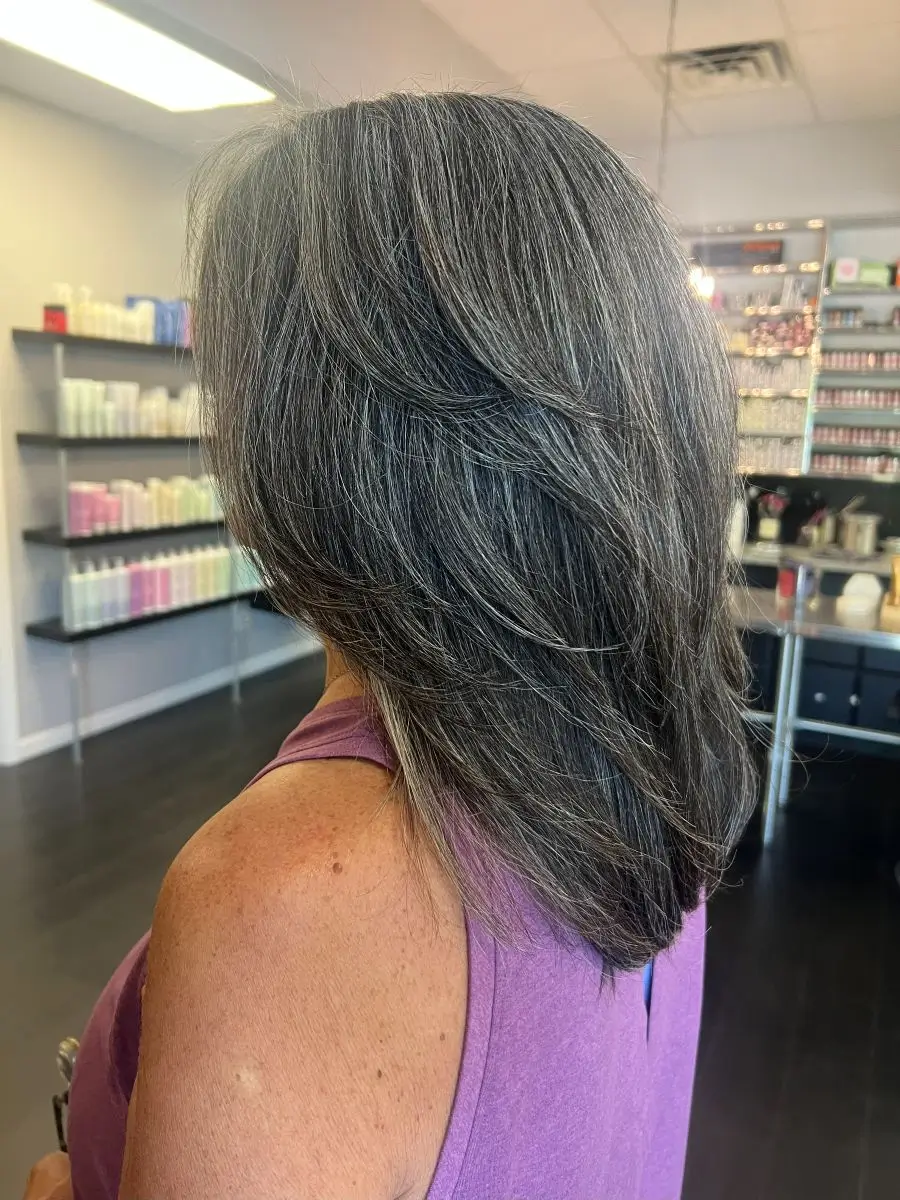
There are three reasons this treatment works so well in the Southwest Florida climate specifically. First, it creates a genuine humidity barrier by sealing the cuticle with protein, physically preventing water vapor from entering the hair shaft. Second, because the hair is already smoothed and sealed, blow-drying takes a fraction of the usual time, which means less cumulative heat damage over the life of the treatment. Third, it is fully customizable — you do not have to lose your natural curl pattern. A Brazilian Blowout can be adjusted to keep your wave while eliminating the frizz, or it can be used to achieve a completely sleek result.
At Kate’s Kuts, the Brazilian Blowout is our most requested service for a reason: it is the only treatment that consistently holds up through a Bonita Springs summer.
Daily Defense: Products That Work in This Climate
A professional treatment is the foundation, but your daily routine determines how long it lasts. Generic drugstore products are formulated for average climates. Southwest Florida is not an average climate, and your product choices need to reflect that.
The most important daily product is a high-quality leave-in conditioner. If your hair is already adequately hydrated, it will not be as hungry for the moisture in the surrounding air. A lightweight leave-in satisfies the hair’s porosity without weighing it down, reducing the degree to which it reaches for environmental moisture.
The second critical product category is anti-humectant styling products. Many popular styling products contain glycerin, a humectant designed to pull moisture from the air into your hair. In a dry climate, this is beneficial. In Florida, it is a disaster — you are essentially applying a product that invites humidity in. Look for smoothing serums and oils that contain silicones such as dimethicone, which coat the hair shaft and create a barrier against moisture rather than attracting it.
Finally, UV protection is non-negotiable. The Florida sun breaks down the hair cuticle over time, making it progressively more porous and therefore more vulnerable to frizz. Always use a styling product with UV protection before spending time outdoors, particularly near the water.
The Hidden Culprit: Florida Hard Water
Humidity gets all the blame, but the water in your shower may be doing just as much damage. Much of Southwest Florida’s water supply is drawn from the Floridan Aquifer, which sits beneath porous limestone bedrock. [3] As water moves through that limestone, it picks up high concentrations of dissolved calcium and magnesium. When this mineral-rich water contacts your hair with every wash, those minerals build up on the cuticle over time, creating a hard, scaly residue that blocks moisture from penetrating properly and leaves hair looking dull, feeling brittle, and fading color faster than it should.
If your hair feels heavy after washing, your color is losing vibrancy within weeks of your appointment, or your treatments don’t seem to be lasting as long as they should, hard water buildup is very likely a contributing factor.
For a complete breakdown of how Southwest Florida water specifically affects hair color and what professional treatments can remove the buildup, read our deep dive: Hard Water and Your Hair: How Southwest Florida Water Affects Your Color.
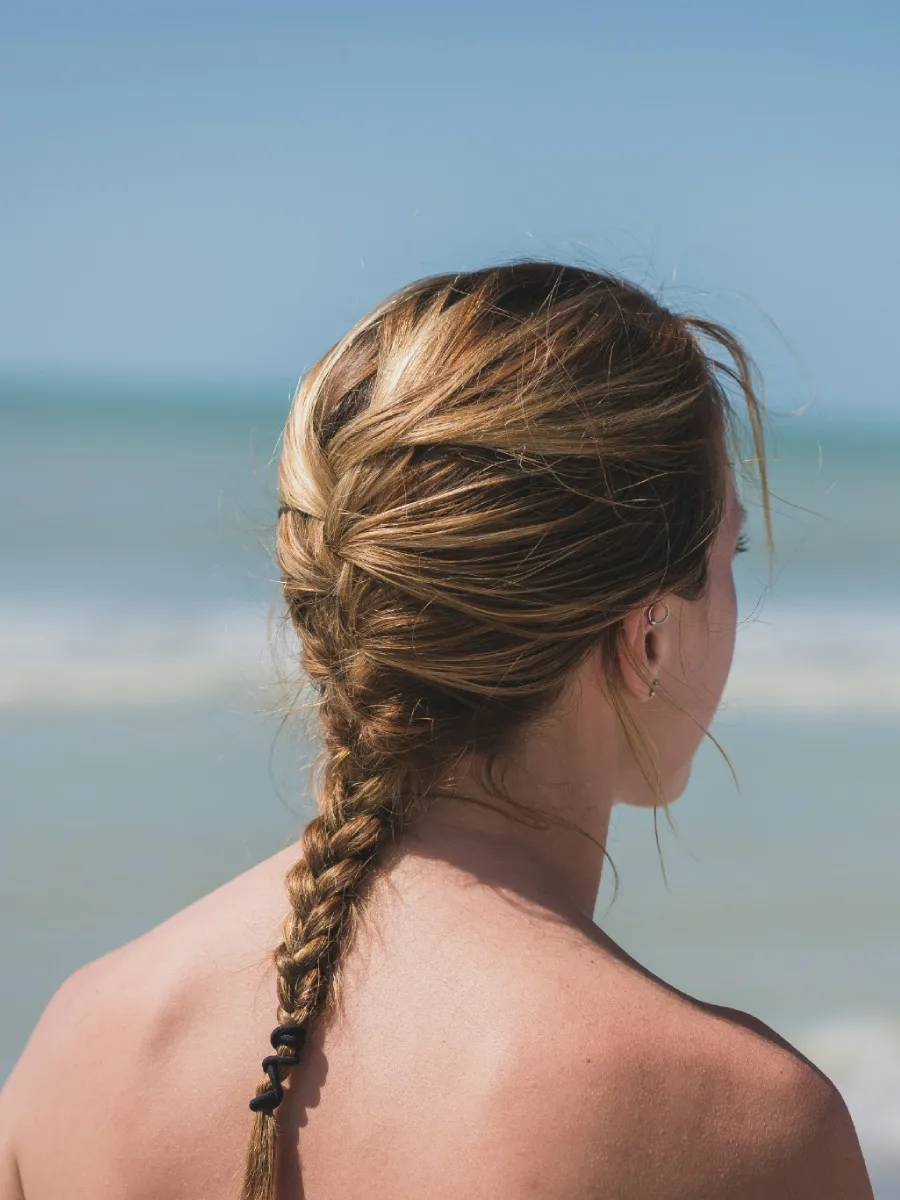
Protecting Your Style: The Beach and Pool Factor
Southwest Florida living means beach days, pool days, and saltwater — all of which accelerate the damage cycle. Chlorine strips the natural oils from your hair, leaving the cuticle rough and porous. Saltwater has a similar effect, drawing moisture out of the strand while depositing salt crystals that roughen the surface. UV exposure compounds both.
The most effective defense is a combination of physical protection before water exposure and a professional conditioning treatment after. For specific style recommendations that protect your hair during beach and pool days, see our guide: The 5 Best Protective Styles for Florida Beach Days.
If you are also navigating color maintenance alongside the Florida climate, our comparison guide — Balayage vs. Highlights for Florida Summer — covers which technique holds up better under UV exposure and saltwater.
The Florida Hair Care Calendar
The climate in Southwest Florida shifts meaningfully across the year, and your hair care routine should shift with it.
| Season | Primary Threat | Recommended Action |
|---|---|---|
| May – September Rainy Season | Peak humidity (85–90%+), daily storms | Brazilian Blowout before season; anti-humectant products daily |
| October – December Dry Season | UV still intense; lower humidity | Moisture-focused conditioning; UV protection |
| January – April Peak Season | Hard water buildup accumulates; increased activity | Mineral detox treatment; clarifying shampoo monthly |
| Year-Round | Hard water mineral deposit | Chelating shampoo every 2–4 weeks |
Ready to Win the Battle?
You do not have to spend your summer hiding under a hat or pulling your hair into a bun every time you walk outside. By understanding the science of the climate and working with professional treatments designed for it, smooth, manageable hair in Bonita Springs is entirely achievable.
Book Your Appointment at Kate’s Kuts Today and let our stylists build a climate-defense strategy tailored to your specific hair type and lifestyle.
References
[1] Lab Muffin Beauty Science. (2019). Hair frizz science: water and hydrogen bonds. https://labmuffin.com/hair-frizz-science-water-and-hydrogen-bonds/
[2] K18 Hair. (2021). Science Class 03: The REAL science behind frizz. https://k18hair.com/blogs/news/science-class-03-the-real-science-behind-frizz
[3] Central Florida Public Media. (2024). The battle between Central Florida’s hard water and your hair. https://www.cfpublic.org/2024-04-26/the-battle-between-central-floridas-hard-water-and-your-hair